Yunjie (Roya) He
Ph.D. Candidate · IMPRS-IS Scholar

Yunjie (Roya) He

Knowledge Graph Reasoning · Neuro-Symbolic AI · Retrieval-Augmented Generation · Representation Learning

I am a PhD candidate at the Institute of Artificial Intelligence, University of Stuttgart and Bosch Center for Artificial Intelligence, supervised by Prof. Steffen Staab and Prof. Evgeny Kharlamov. I'm also an IMPRS-IS scholar at the Max Planck Institute. My research focuses on querying incomplete knowledge graphs using embedding-based methods, with an emphasis on interpretability, structural expressiveness, and multimodal reasoning. I work at the intersection of knowledge representation and reasoning, neuro-symbolic AI, and information retrieval. I am broadly interested in how structured knowledge can ground and complement large language models, and how learned representations can make symbolic reasoning robust to real-world data incompleteness.

2

News

Feb 2026
One paper RELAX accepted at TMLR!
WWW 2025
May 2025
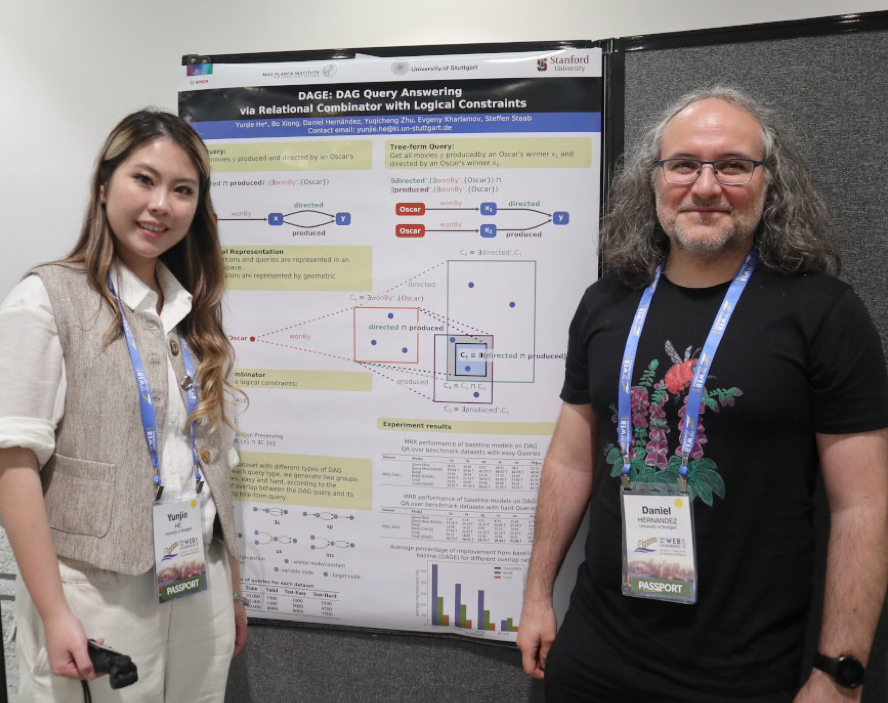
Presented our work at WWW 2025 in Sydney, Australia.
Jan 2025
ECAI 2024
Oct 2024
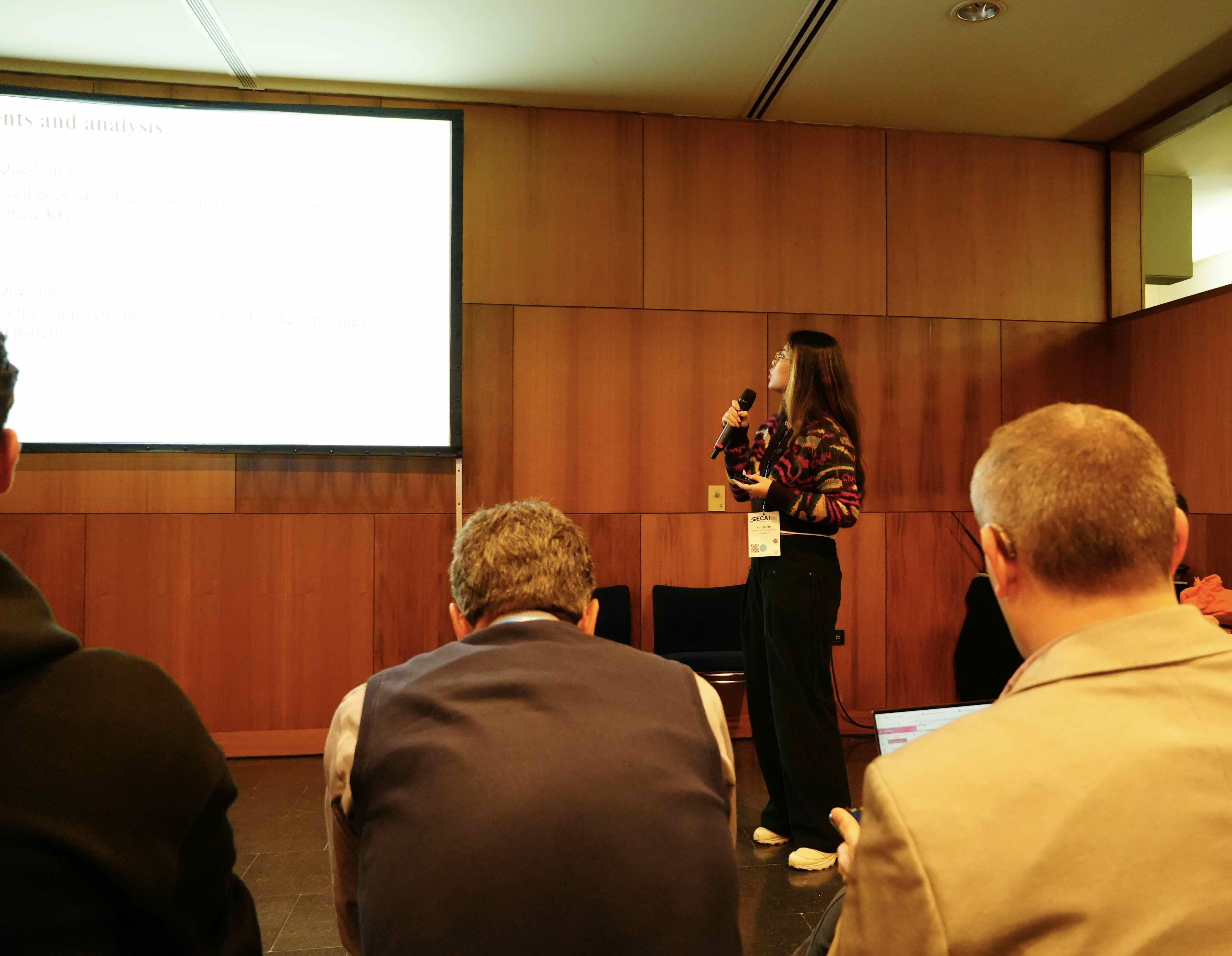
Presented our work at ECAI 2024 in Santiago de Compostela, Spain.
Sep 2024
Predictive Multiplicity of KGE in Link Prediction accepted at EMNLP 2024 Findings.
Jul 2024
Generating SROI⁻ Ontologies via KG Query Embedding accepted at ECAI 2024 as an Oral Talk.
ISWC 2023
Oct 2023
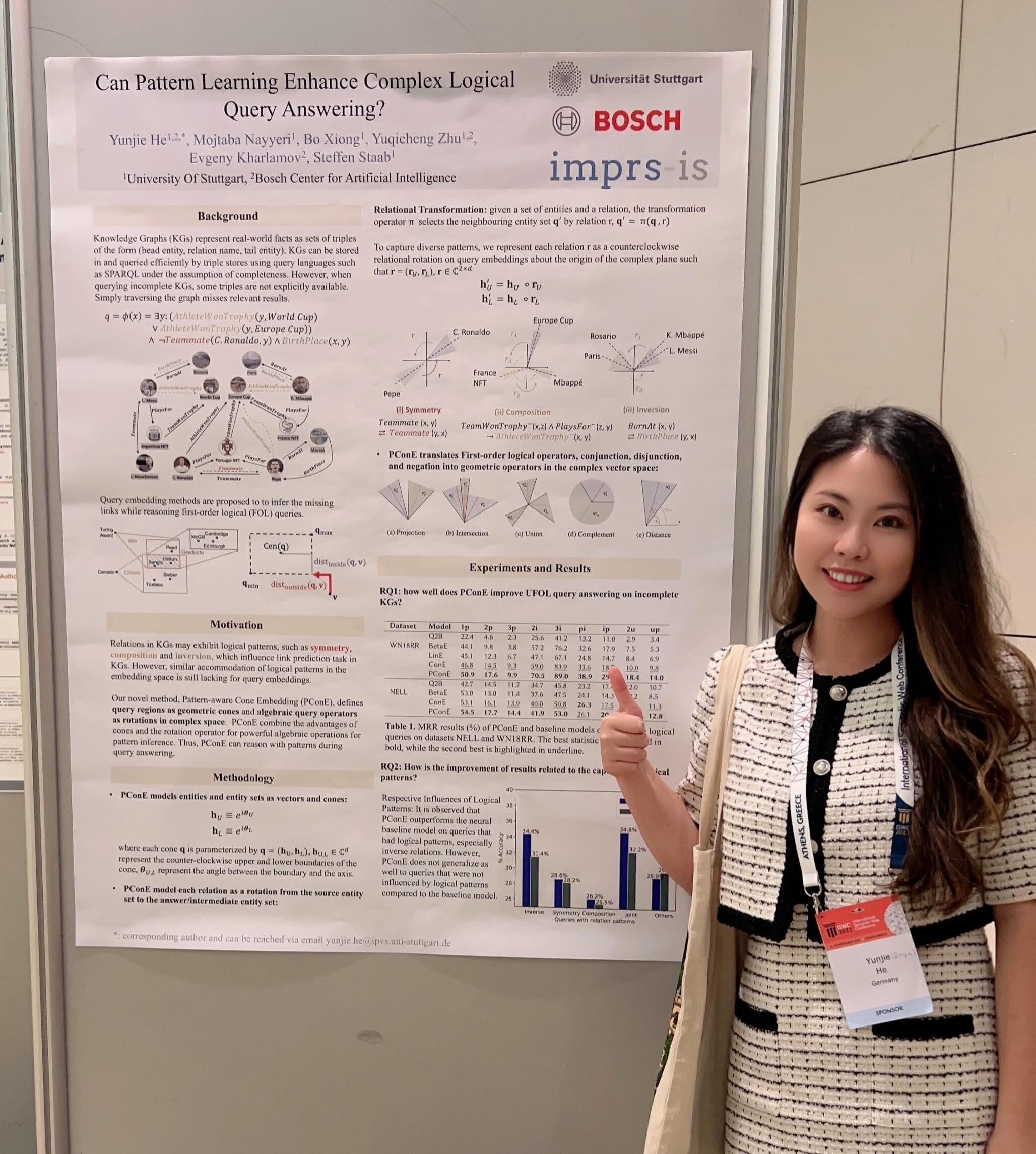
Presented our work at ISWC 2023 in Athens, Greece
Aug 2023
Jul 2023
Attending summer school at University of Oxford.
Jun 2022
I'm starting my PhD at University of Stuttgart and IMPRS-IS.
3

Projects & Publications

Ongoing Work Under Review

HybridQE: Hybrid Query Answering over Incomplete Text-Labeled Graphs

Yunjie He, Bo Xiong, Daniel Hernández, Yuqicheng Zhu, Yi Wang, Evgeny Kharlamov, Steffen Staab

Introduces the task of hybrid query answering (HybridQA) over incomplete text-labeled graph databases, which requires joint reasoning over both symbolic logical constraints and free-form textual descriptions under information incompleteness. Proposes HybridQE, a hybrid query embedding framework that aligns symbolic and textual constraints in a unified embedding space via query-conditioned entity similarity, and constructs two new benchmarks from e-commerce and biological domains.

Published TMLR

Counting Still Counts: Understanding Neural Complex Query Answering Through Query Relaxation

Yannick Brunink, Daniel Daza, Yunjie He, Michael Cochez

Neural methods for Complex Query Answering (CQA) over knowledge graphs (KGs) are widely believed to learn patterns that generalize beyond explicit graph structure, allowing them to infer answers that are unreachable through symbolic query processing. In this work, we critically examine this assumption through a systematic analysis comparing neural CQA models with an alternative, training-free query relaxation strategy that retrieves possible answers by relaxing query constraints and counting resulting paths.

Published The Web Conference 2025

DAGE: DAG Query Answering via Relational Combinator with Logical Constraints

Yunjie He, Bo Xiong, Daniel Hernández, Yuqicheng Zhu, Evgeny Kharlamov, Steffen Staab

Defines DAG queries, a more general class of queries formulated in the ALCOIR description logic that extends tree-form queries by allowing quantified variables to appear multiple times. Proposes DAGE, a plug-and-play relational combinator module that extends existing tree-form query embedding methods (Query2Box, BetaE, ConE) to handle DAG queries, with proper regularization terms encouraging tautologies including monotonicity and restricted conjunction preserving. Introduces six novel DAG query types and new benchmark datasets.

Published NAACL 2025

Conformalized Answer Set Prediction for Knowledge Graph Embedding

Yuqicheng Zhu, Nico Potyka, Jiarong Pan, Bo Xiong, Yunjie He, Evgeny Kharlamov, Steffen Staab

Applies conformal prediction to knowledge graph embeddings for link prediction, providing statistically guaranteed prediction sets with controlled coverage.

Oral Talk ECAI 2024

Generating SROI⁻ Ontologies via Knowledge Graph Query Embedding Learning

Yunjie He, Daniel Hernández, Mojtaba Nayyeri, Bo Xiong, Yuqicheng Zhu, Evgeny Kharlamov, Steffen Staab

Proposes AConE, a novel query embedding method that explains knowledge learned from knowledge graphs in the form of SROI⁻ description logic axioms. Embeds each SROI⁻ concept as a cone in complex vector space and relations as rotations and scalings, establishing a one-to-one mapping between logical and geometrical operators. Achieves superior results with fewer parameters, particularly on WN18RR where accuracy improves 18.35% over baselines.

Published EMNLP 2024 Findings

Predictive Multiplicity of Knowledge Graph Embeddings in Link Prediction

Yuqicheng Zhu, Nico Potyka, Mojtaba Nayyeri, Bo Xiong, Yunjie He, Evgeny Kharlamov, Steffen Staab

Investigates predictive multiplicity in knowledge graph embeddings for link prediction, analyzing how multiple well-performing models can yield conflicting predictions.

Published AAMAS 2024

Robust Knowledge Extraction from Large Language Models using Social Choice Theory

Nico Potyka, Yuqicheng Zhu, Yunjie He, Evgeny Kharlamov, Steffen Staab

Bridges social choice theory with LLM knowledge extraction, applying voting mechanisms to aggregate and robustify factual knowledge extracted from large language models.

Preprint ArXiv Survey

Geometric Relational Embeddings: A Survey

Bo Xiong, Mojtaba Nayyeri, Ming Jin, Yunjie He, Michael Cochez, Shirui Pan, Steffen Staab

A comprehensive survey covering geometric approaches to relational embeddings, reviewing methods based on points, boxes, cones, distributions, and other geometric objects for knowledge graph representation learning.

Published ISWC 2023 · Poster & Demo

Can Pattern Learning Enhance Complex Logical Query Answering?

Yunjie He, Mojtaba Nayyeri, Bo Xiong, Yuqicheng Zhu, Evgeny Kharlamov, Steffen Staab

An early investigation into how learning logical patterns (symmetry, inversion, composition, etc.) can improve complex query answering — a foundational study leading to the AConE method.

Preprint Work Done At HUAWEI Noah's Ark Lab

Graph Attention with Hierarchies for Multi-hop Question Answering

Yunjie He, Philip John Gorinski, Ieva Staliunaite, Pontus Stenetorp

Proposes GATH (Graph ATtention with Hierarchies), two extensions to Hierarchical Graph Networks for multi-hop QA on HotpotQA: (i) completing the hierarchical structure by introducing new edges between query and context sentence nodes, and (ii) a novel graph attention mechanism that leverages the hierarchy to update node representations sequentially. Work conducted during an internship at HUAWEI Noah's Ark Lab London NLP group.

4

Experience

Ph.D. Candidate
University of Stuttgart & Bosch Center for AI
Jun 2022 — Present
Research Assistant
City University of Hong Kong
Nov 2021 — Apr 2022
Research Intern
HUAWEI Noah's Ark Lab
Jun 2021 — Sep 2021
Data Analyst Intern
HUATAI Technology
Jun 2020 — Aug 2020
Research Assistant
The Alan Turing Institute
Jun 2019 — Sep 2019
5

Education

MSc Computational Statistics & Machine Learning
University College London (UCL)
Outstanding academic performance award, 2020-2021
BSc (Hons) Economics & Statistics
University College London (UCL)
First Honoured degree, 2017-2020
6

Teaching & Service

Teaching
Deep Learning Lab 2022/23 — University of Stuttgart
Reviewer
ISWC 2025, WWW 2025, COLING 2025, ACL 2023
Summer School
Oxford Machine Learning Summer School 2023
Scholarship
IMPRS-IS Scholar — Max Planck Institute
7

Beyond Research

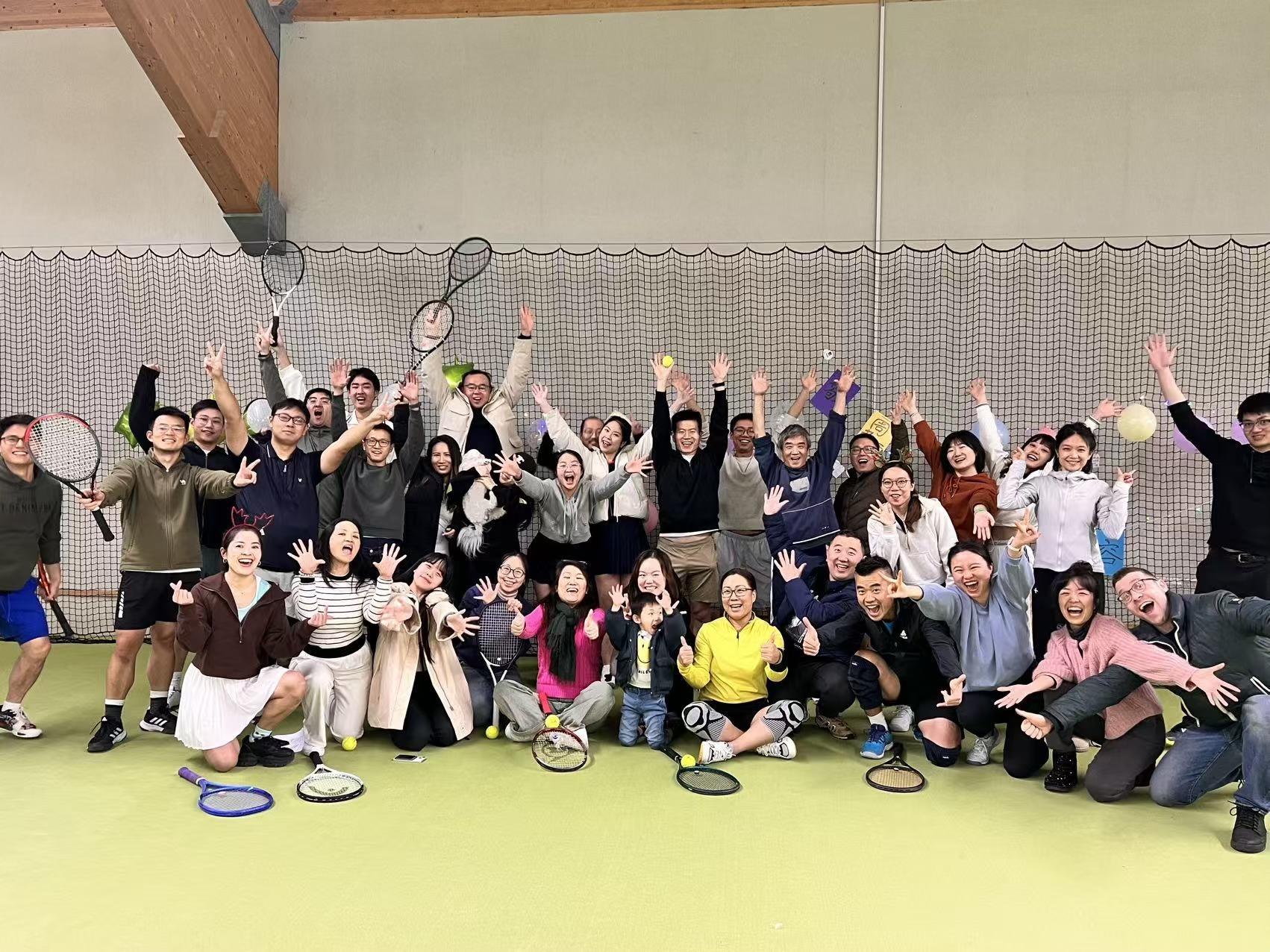
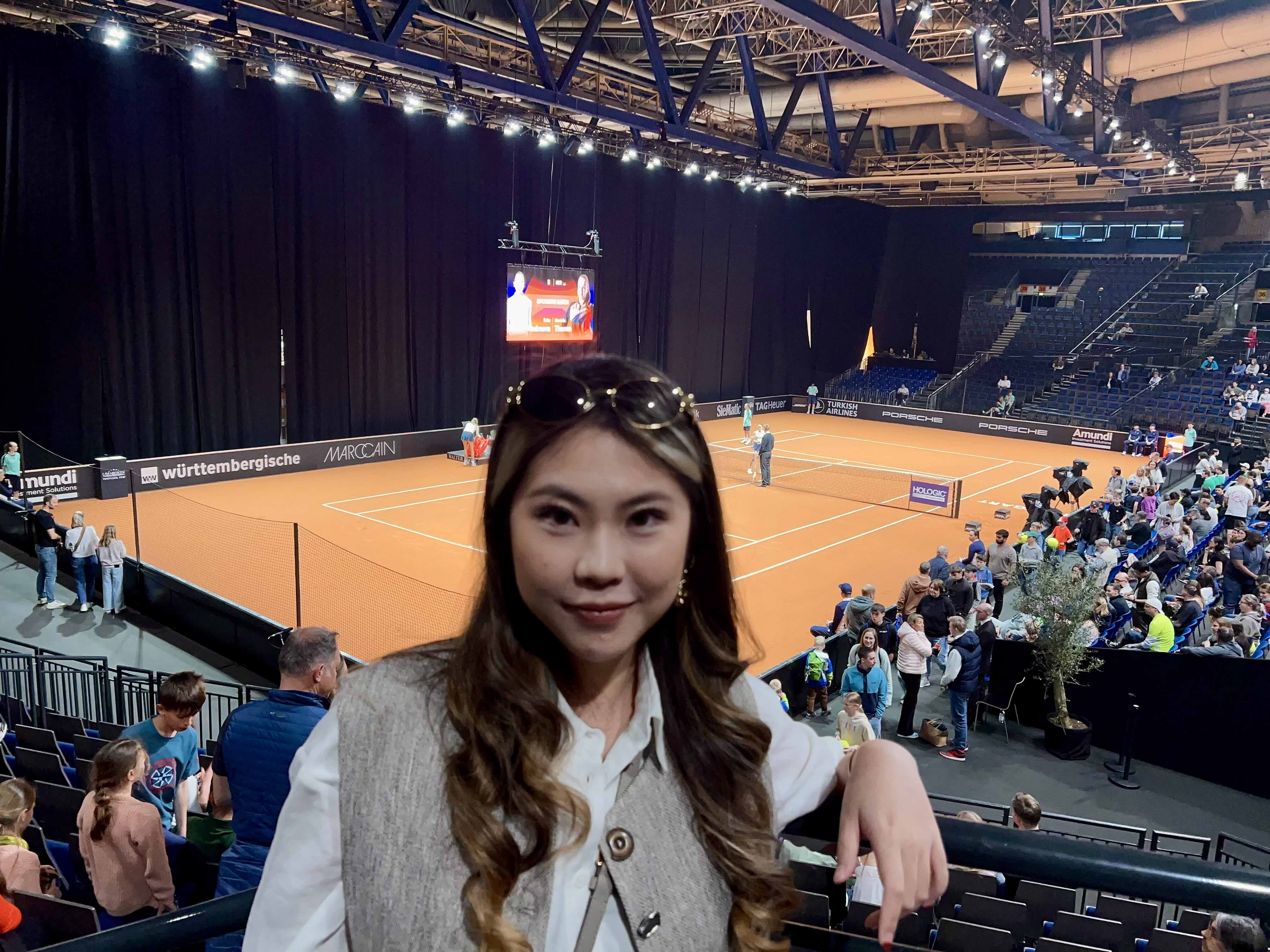
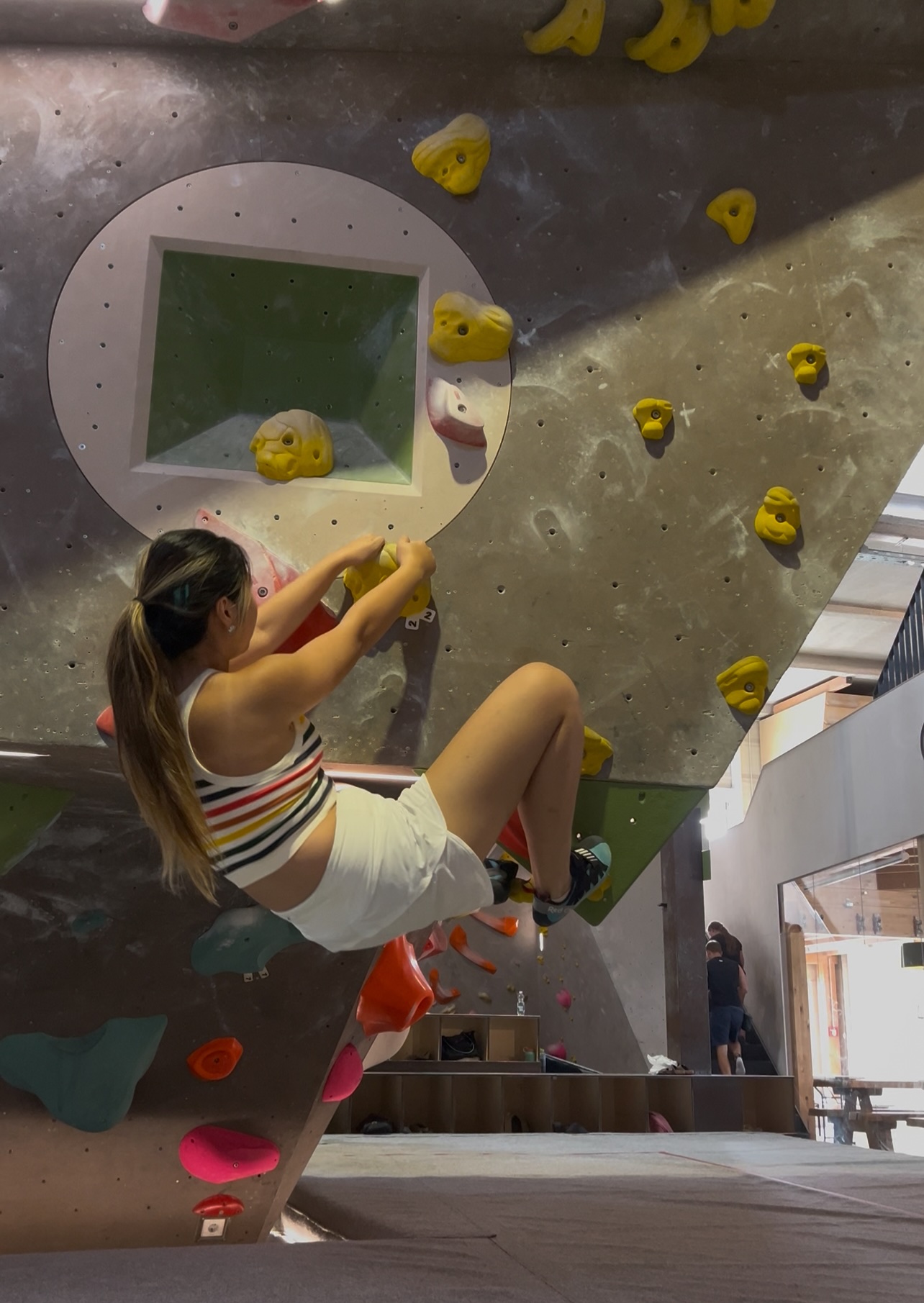
Outside of research, I'm an amateur photographer who loves capturing landscapes, cityscapes, and quiet everyday moments. I also stay active through tennis and bouldering — both are great ways to recharge and stay sharp. Here are some snapshots from my life beyond research.

📷 Photography
🎾 Tennis
🧗 Bouldering